On this page you will be able to find a list of some of the causes/sources of water pollution.
Sewage and Wastewater:
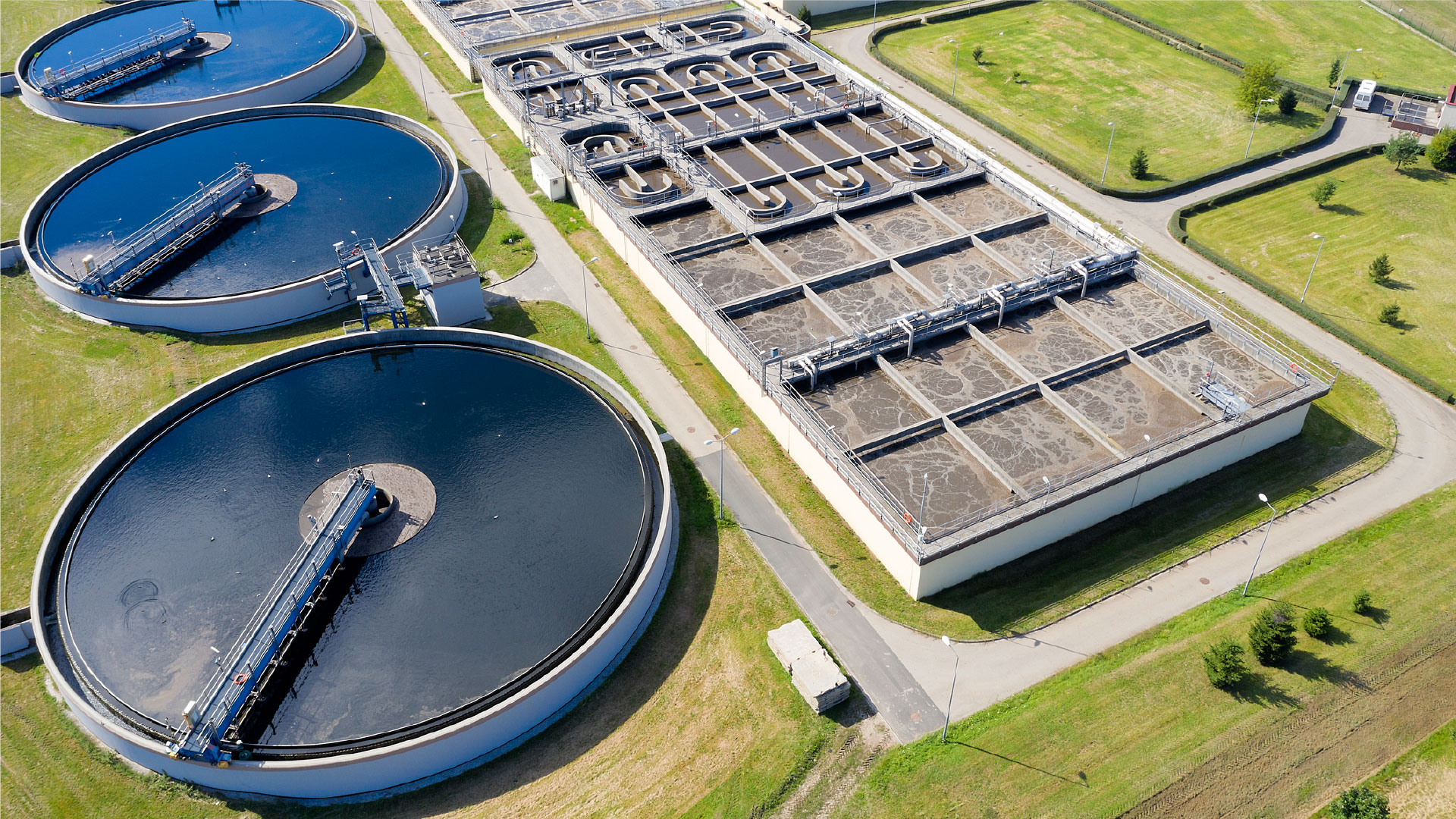
Wastewater is what is defined as water that has been used. It is disposed of by bathrooms, factories, and various other commercial and agricultural activities. Comes from our sinks, showers, and toilets. In affluent societies, most household water is used inefficiently — e.e. in toilets, irrigation — and industrial systems (like thermoelectric plants) are massive water consumers. The term 'wastewater' also includes 'stormwater runoff', a process where rainfall carries road salts, oil, grease, chemicals, and other debris from impermeable surfaces into our waterways.
Wastewater and sewage water contain harmful biological contaminants such as bacteria and pathogens. Not so fun fact: It is also the primary source of pathogens. Raw sewage includes pathogens like bacteria (E. coli, Salmonella), viruses, protozoa, and helminths. Not just that but pharmaceuticals can also end up in wastewater and threaten aquatic life and human health. Because pathogens are excreted in feces, all sewage from everywhere is likely to contain pathogens of some type, one way or another. These pathogens potentially pose a direct threat to human health
Domestic sewage is also a mojor sources of plant nutrients, such as nitrate and phosphate, which, in excess, promotes the growth of algae in water, sometimes causing unusually dense and rapid growths such as algal blooms. When the algae die, the oxygen content in the water dissolves because the microorganisms use oxygen to digest algae during their decomposition process, preventing the water fro going to the aquatic wildlife, giving it the unneded bacteria to live upon. Even anaerobic organisms that metabolize the organic wastes release gases such as methane and hydrogen sulfide, both extremely harmful to the aerobic life forms.
The process where a lake changes from a clean and clear condition (with a relatively low concentration of dissolved nutrients, and a heaalthy balanced aquatic community) to a nutrient-rich, algae-filled statee, leading to an oxygen deficit in the water, where it is filled with waste is called eutrophication. It occurs naturally, slowly, and is inevitable. However, when accelerated by water pollution and human activity, it can lead to premature aging and the death of a body of water.
According to the UN, more than 80% of the world's wastewater flow back into the environment without being treated, or reused. In some countries which have not developed much in infrastructure yet, thsi figure can top 95%. It is important to note that harmful chemicals can still be found in water long after it is treated. Households and industrial areas release sewaage and wastewater, eventually making its way into the ocean, mixing with freshwater, and affecting hte quality of the water and the marine life along with it. THe bacteria and pathogens found in it breed disease, causing health-related issues in both humans and animals alike. Despite the many wastewater treatmnet plants operating around the world, these systems are aging as time goes along and are unable to handle the increasesd capacity that comes with the increased human population. Every year, sewage treatments releaase more than 850 billion gallons of untreated wastewater. Every year, the impact of sewage and wastewater grows even direr.
Oil Spills:
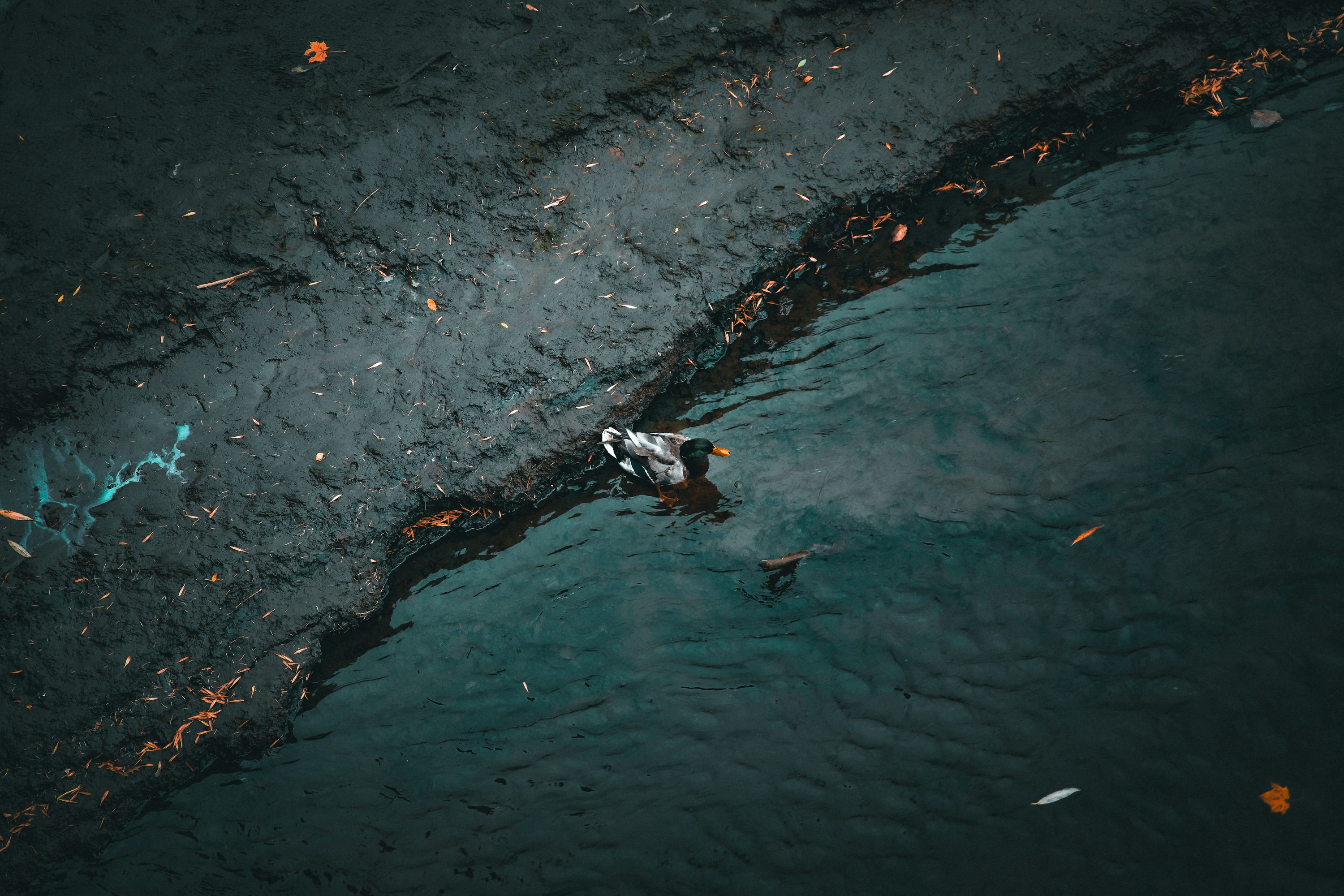
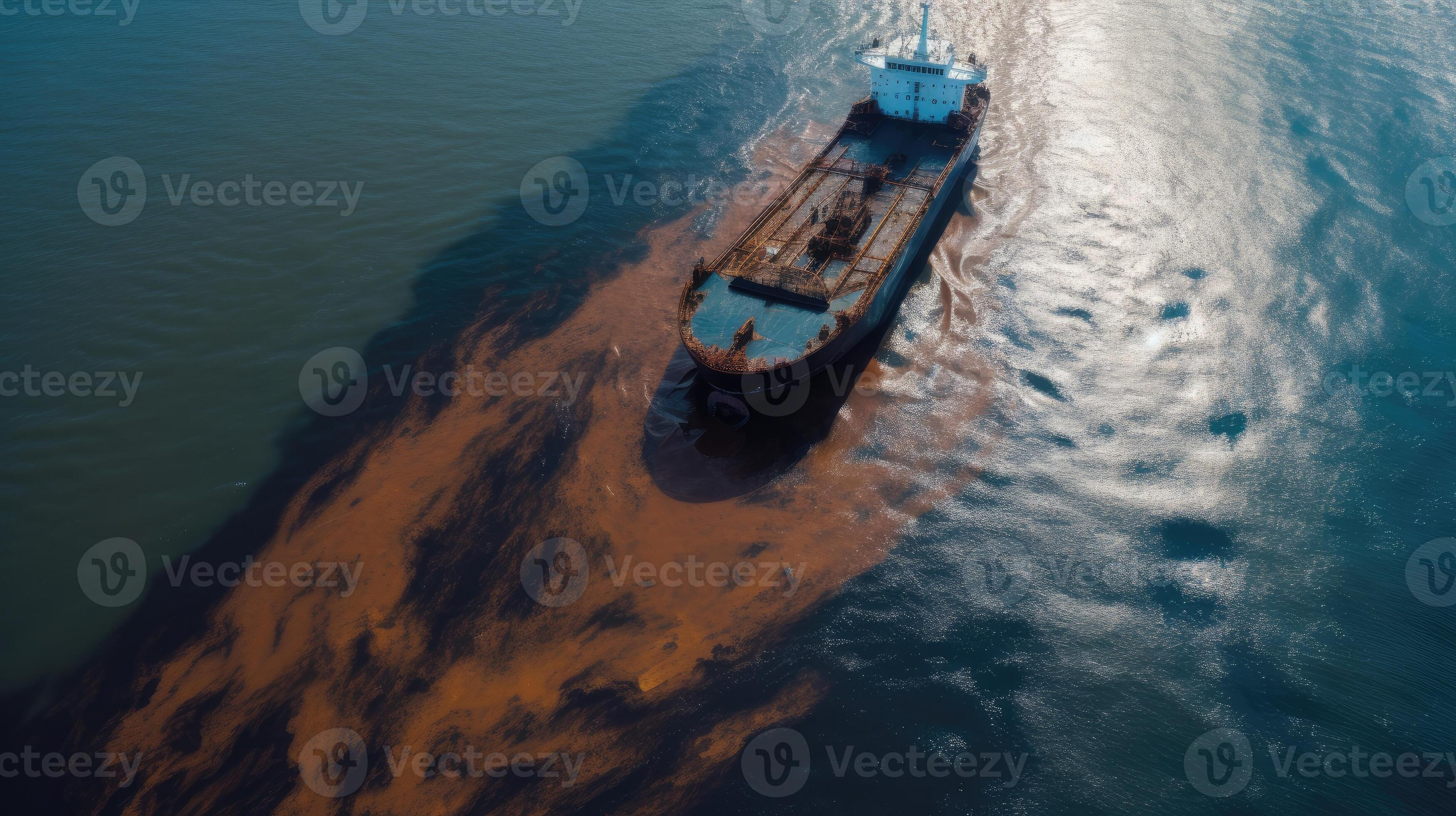
Oil spills are one of the most significant causes of water pollution. It is often caused by oil drilling operations done in the ocean. When spilled, oil slicks eventually move twards the shore, harming aquatic life and damaging recrational areas. Almost half of the estimated million tonnes of oil that makes its way into marine environments each year come not from oil tankers, but from land-based sources like factocries, farms, and cities. At sea, oil tanker spills account for about 10% of the oil in waters around the world, while regular operations fo the shipping industry, through both legal and illegal discharges, contribute about a third.
In England and Wales, approximately 3,000 pollution incidents happened involving oil and fuel each year. It makes drinking water unsafe. When substantial amounts of oil are released into a river, or an ocean, it destroys the marine life residing in it and the ecosystems supporting them, and they will continue to be destroyed while this keeps happening. Oil in the water reduces the oxygen supply within the water environment. Oil spills can happen in many ways, whether it be by accident while mining oil or from oil rig malfunctions. But when they do occur, they often kill thousands of marine life species at once. The damage inflicted by them is usually impossible to truly resolve. One big issue with it is that it contaminates waterways for extended periods of time.
Industrial Waste:
Industrial waste is another one of the biggest sources of water pollution. It is waste produced in the form of toxic chemicals and pollutantss. They can easily sink into soil and waters that lead directly to oceans or lakes. Some factories and industrial sites lack the proper waste management systems needed to avoid this problem. Sometimes waste is just dumped directly into nearby freshwater systems easy to access. The toxic chemicals from the waste makes the water unsafe for human consumption, and can also cause the temperature in freshwater systems to change, making them dangerous for life. It can also cause 'dead zones', areas of water containing so little oxygen that marine life cannot survive or live there.
A prominent example of this is mining — it has impacted thousands of miles of streams and rivers throughout the Eastern and Western U.S. due to active and historic mining of iron, copper, lead, gold, platinum, silver, as well as other materials.
Agriculture:
Agriculture is by far the biggest consumer of global freshwater resources, and it is also the leading cause of water pollution around the world. This is because farmers need to use pesticides to protect their crops from other animals. And to help them grow, they use fertilizer. Fertilizers usually contain large amounts of nitrogen and phosphorous. But when this gets into the water, ecosystems are disrupted. When some substances such as pesticides seep into the groundwater, they can harm animals, plants, and us too. When it rains, the chemicals mix with rainwater, eventually flowing into waterways, then creating further pollution.
It is important to bear in mind that it is not only pesticides which cause water pollution from agriculture, it is also the uncontrolled spreading of slurries and manures, tillage, ploughing too often at the wrong time, overgrazing, or the improper, excessive or poorly timed application of pesticides, irrigation water and fertilizer. Because of this, many farms and ranches around the world release several pollutants such as sediments, nutrients, pathogens, pesticides, metals, and salts. Each time it rains, the fertilizers, pesticides and animal waste from farms and livestock operations wash nutrients and pathogens into our waterways. This is a process called runoff.
In fact, the United States Geological Survey reports that about half a million tonnes of pesitcides, 12 million tonnes of nitrogen, and 4 million tonnes of phosphorous fertilizer are applied annually to the continental U.S. These massive amounts of chemicals will enter into and pass through every water system component, incluing air, soil, streaams, wetlands, and groundwater (obviously).
Radioactive Waste:
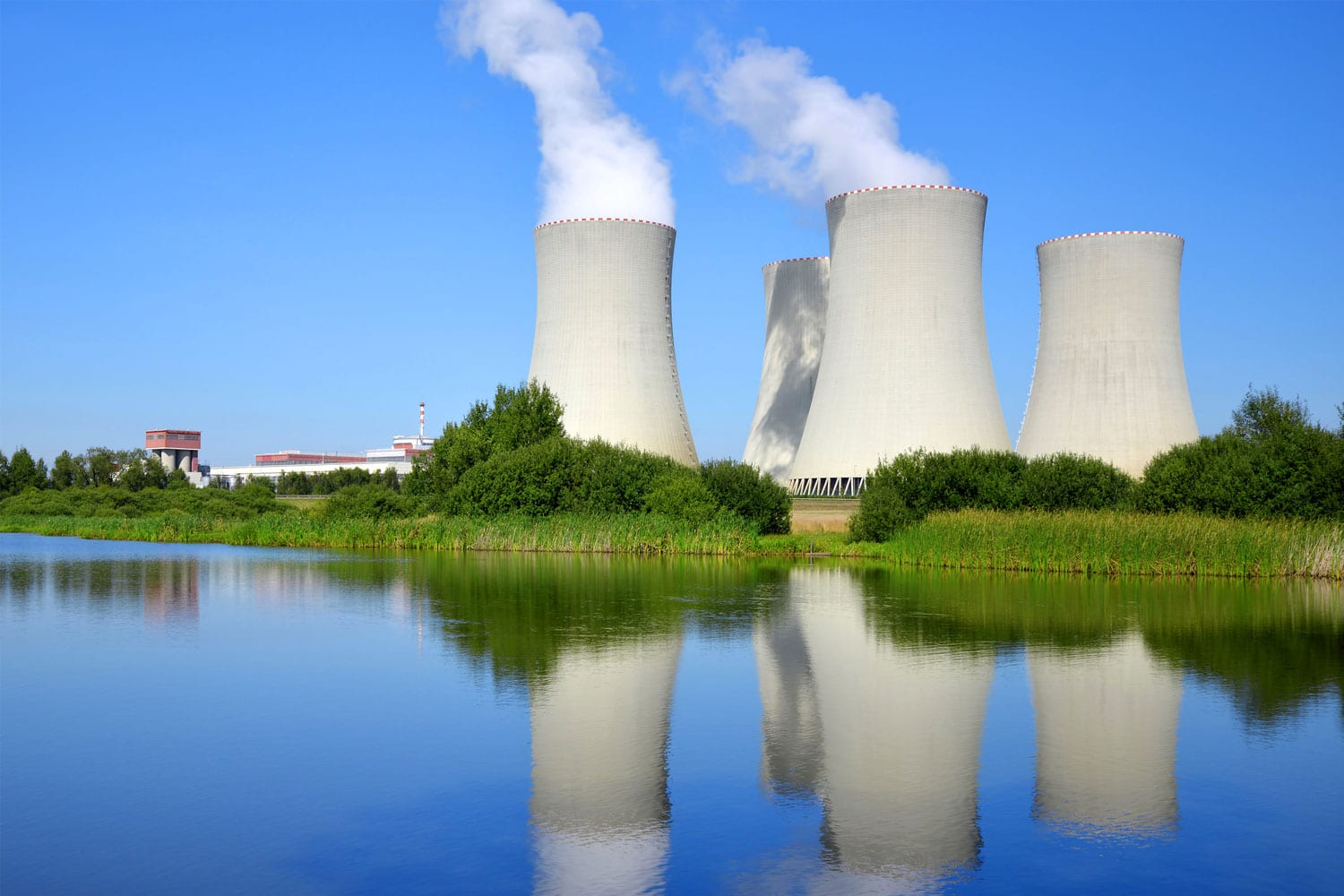
Radioactive waste is any pollution emmitting radiation beyond what is naturally released by the government. It is generated by uranium mining, nuclear power plants, and the production and testing of military weapons, as well as by universities an hospitals using radioactive materials for research and medicine. The waste is a byproduct emitted from nuclear reactors, fuel processing plants, as well as hospitals and research facilities that use radioactive materials for research and treatments. It is also generated while decommissioning and dismantling nuclear reactors and other nuclear facilities.
Nuclear waste can persist in the environment for thousands of years, making disposal a major challenge and one of the most harmful water contaminants. Waste released from facilities that create nuclear energy can be extremely harmful to the environment and must be disposed of properly. Uranium, the element used in the creation of nuclear energy, is a highly toxic chemical. Unfortunately, accidents occur at these facilities from time to time, and toxic waste is released into the environment.
Global Warming:
There are rising global temperatures caused by greenhouse gases, such as carbon dioxide emissions. This heats water and reduces its oxygen content. When temperatures rise, certain species will not be able to survive. Their deaths further pollute the waters. One example of thjis is the bleaching of coral reefs, damaging it
Maritime Dumping:
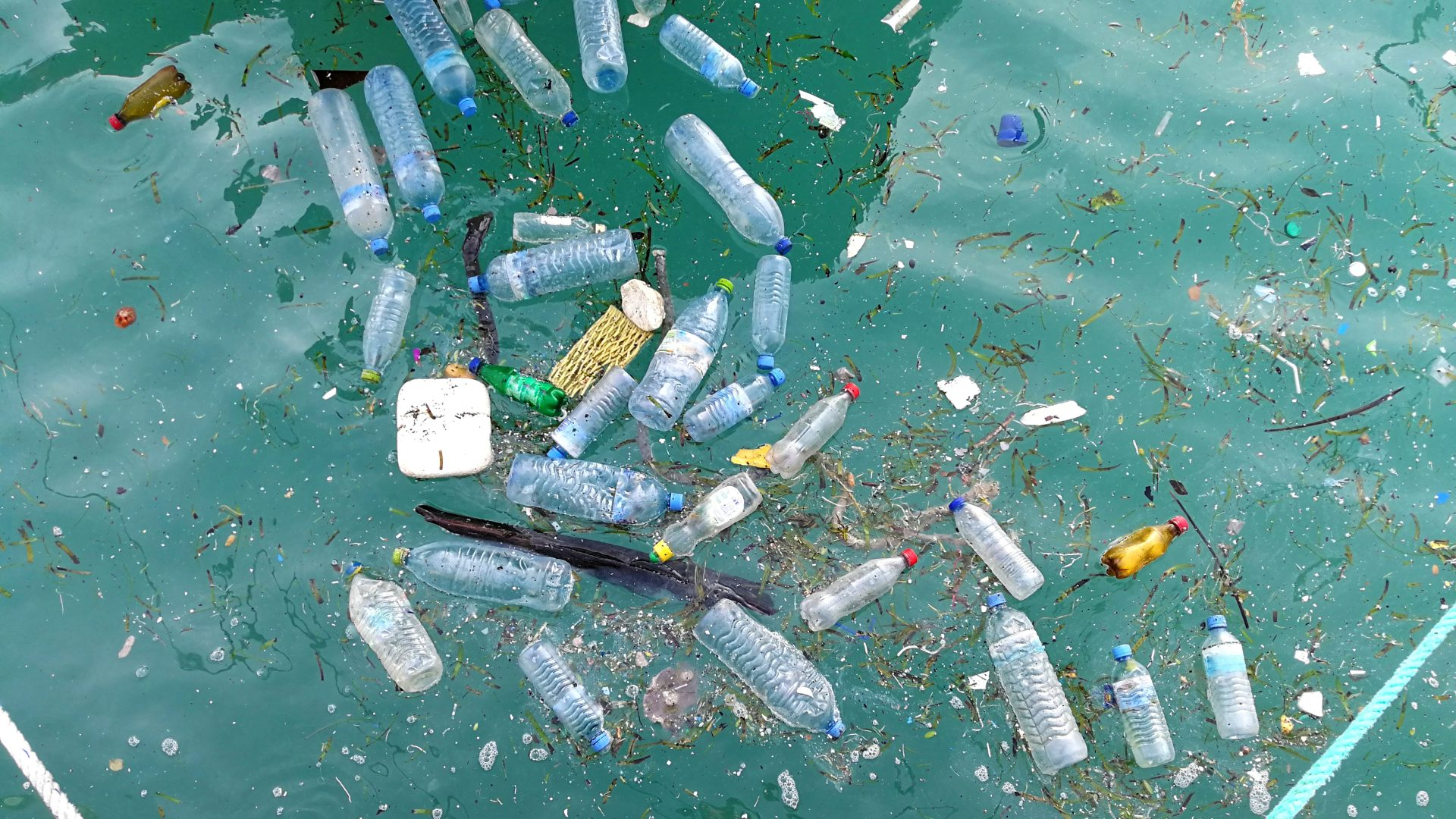
Maritime dumping is the dumping of items into the ocean. Most items collected and dumped into the oceans by many countries can take anywhere from 2 to 200 years to decompose completely. Other sources of waste at sea include olastic, and other materials blown, or washed away from land. About 11 million metric tonnes of plastic make their way into the oceans each year. Research says that if this rate of pollution continues, hten the amount of ocean plastics will grow to 29 million tonnes per year by 2040. The damage that will have been done to wildlife habitats and life on land is incalculable.
Maritime Traffic:
According to Oceaana, over 90% of world trade is carried across the world's oceans by around 90,000 marine vessels. These ships emit greenhouse gases that significantly contribute to climate change. The total international carbon emissions from ocean-going shipping in 2018 was estimated to be 1,056 tonnes. Much of the plastic pollution in the ocean comes from fishing boats, tankers, and cargo shipping.
Deforestation:
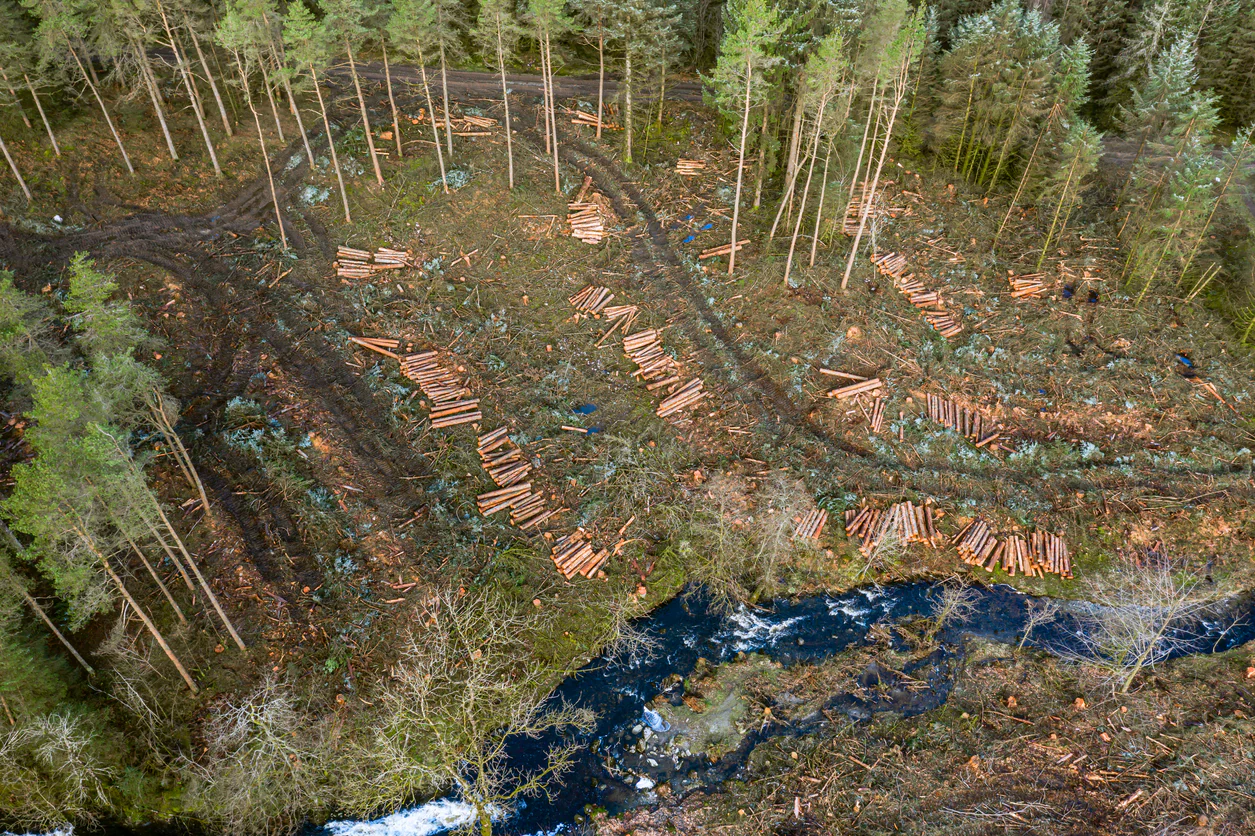
While rainfall, runoff or wind detaches soil particles, erosion occurs. Healthy forests can act as a sort of filter to keep pollution out of water, anchoring soil against eroision and helping the forest absorb nutrients. While forests are disturbed, sediment can flow more easily into streams and bodies of water. Toxic materials are picked up with these sediments and carried into water, polluting it further. Forests also provide drinking water to more than 33% of the largest cities in the world. Therefore, the quality and existence of clean drinking water is essentially linked to forests.
Solid Waste:
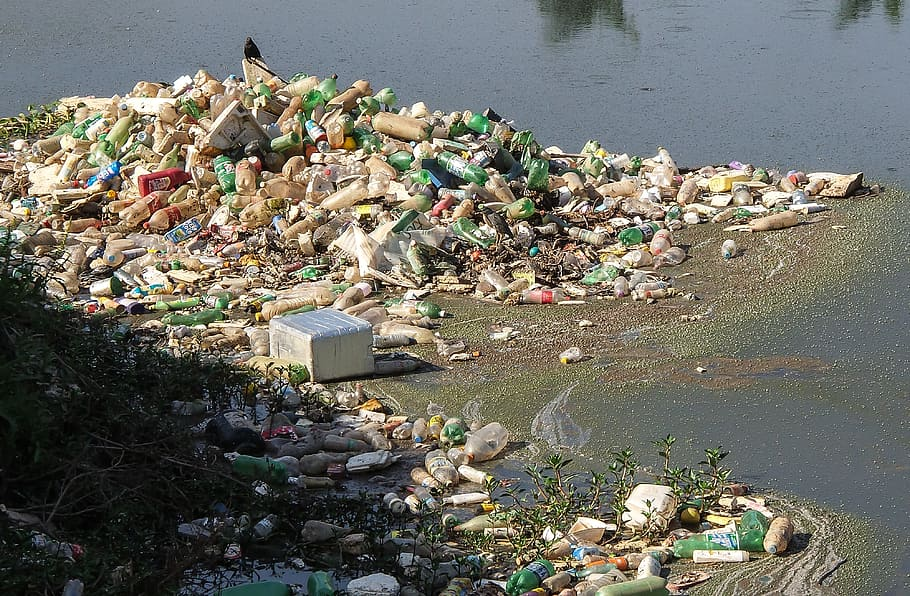
Solid waste includes garbage, rubbish, electronic waste, trash, and construction and demolition waste, all of which are generated by individual, residential, commercial, institutional, and industrial activities. The problem is especially acute in developing countries that may lack the porper infrastructure to properly dispose of solid waste/may not have enough resources or regulations to limit improper disposal. In some areas, it is intentionally dumped into bodies of water. Land pollution also becomes water pollution if the waste is carried by the animals, the wind, or rainfall to bodies of water. Even large amounts in inland bodies of water are also able to make its way to the ocean.
The production of solid waste is not very easy to see yet very damaging to the health of aquatic ecosystems and can directly harm wildlife. Many solid wastes, such as plastics and electronic waste, break down and release harmful chemicals into the water, which can make them a source of toxic or hazardous waste. One of the big growing concenrns for the aquatic environments is plastic pollution. Since the ocean is downstream from nearly every area of land, it is the receiving body for a significant amount of the plastic waste generated on land.
Millions of tonnes of debris end up in our oceans every year, and most of it is used plastic that hasn't been disposed of properly. Plastic pollution is broken down by waves and UV radiation into smaller pieces, known as microplastics, less than 5mm in length and are not biodegradeable. Primary microplastics, such as microbeads in personal care products and plastic fibers in synthetic textiles, also enter the environment directly, through any of various channels, like for example, from wastewater treatment systems, household laundry, or unintentional spills during manufacturing transport. A number of studis of both freshwater and marine locations have found microplastics in every aquatic organism tested. These tiny plastics could work their way up marine food chains, starting from zooplankton adn small fish to massive predators, and have also been found in the seafood some of us may eat. They have also been seein in drinking water. The effects microplastics have on animal and human health are yet unknown.