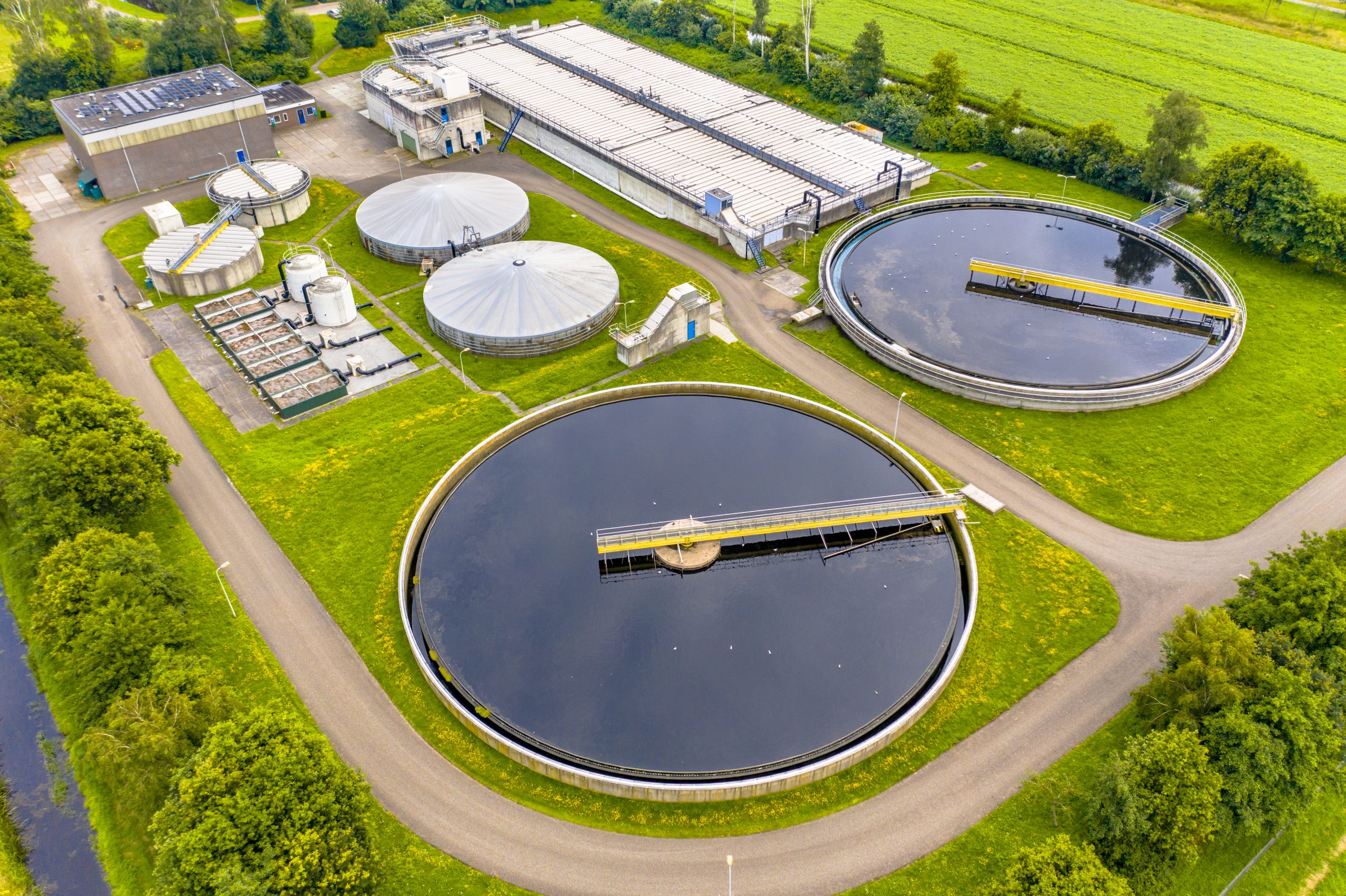
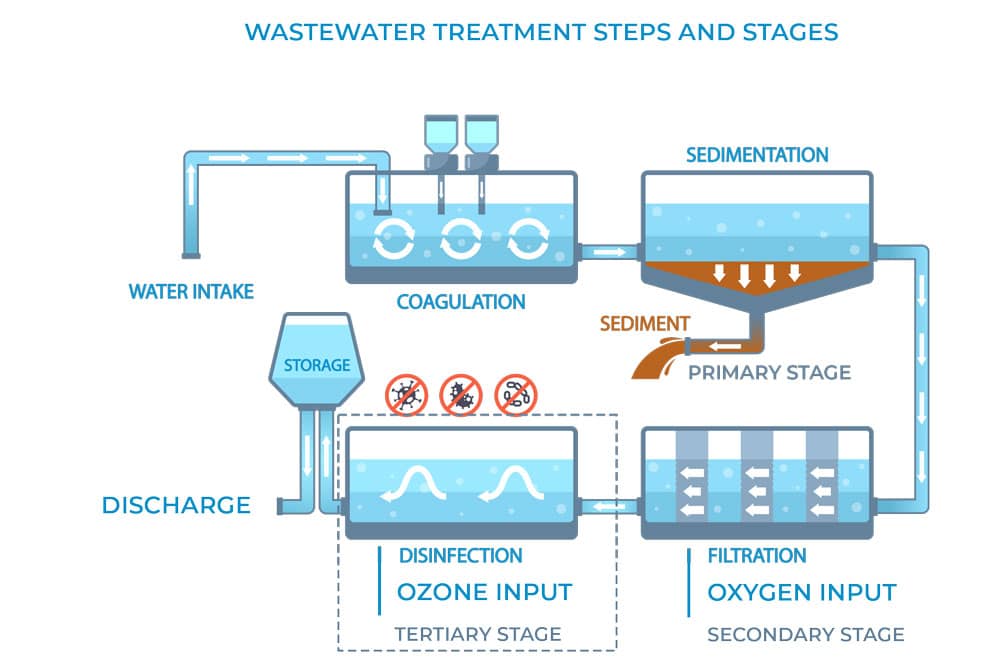
Treating water before its enter to the waterway system is probably the most efficient way of reducing water pollution — hitting the issue right at the source. Facilities treating wastewater have the tools and technology to remove most pollutants through scientific processes. For example, sewage treatments allow water to travel through different sanitization chambers to reduce toxic levels of water pollutants and prevent leakages into water systems. To ensure wastewater treatments function properly, the equipment must be regularly maintained. To apply this, water treatment sensors are needed, which are vital to measure and remove contaminants to reduce water pollution.
Reducing Plastic Waste:
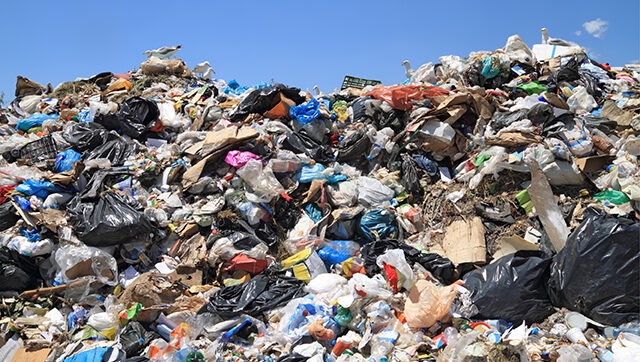
This is a massive issue. More than 8 tonnes of plastic enters oceans around the world each year, plus it is estimated to outweigh the number of fish by 2050. Plastic waste also decays water supplies. This is why the importance of reducing plastic waste and improving sustainability locally and globally alike are absolutely massive.
Water-Efficient Toilets:
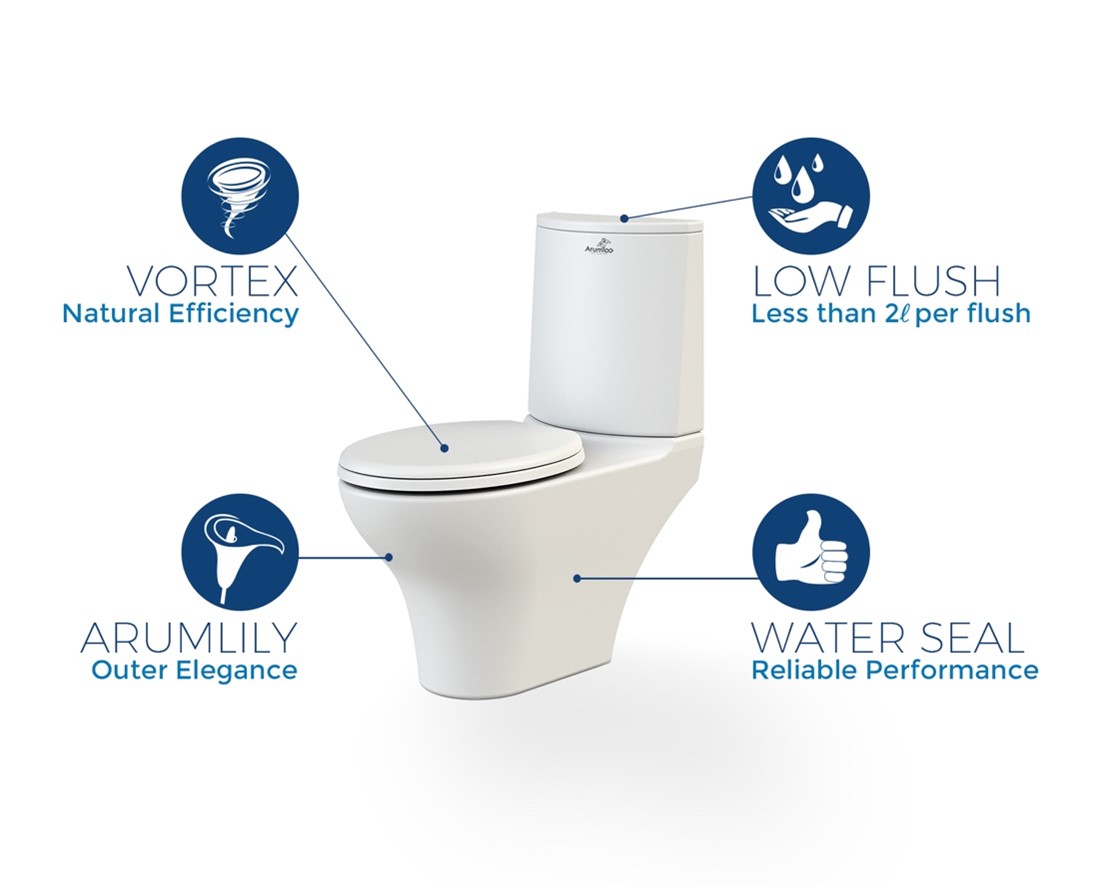
Toilets used to use around 3 an a half gallons per flush, but now, the environmental protection agency enforced the rule that all toilets must only flush 1.6 gallons of water per flush. Now, most houses are being built with toilets using 2 buttons — one for a small flush (0.8-1.1 gallons), and one full power (1.6 gallons). These water efficient toilets are one step in the right direction to conserve water and reduce water pollution. It will also save you a lot of money on water bills.
Septic Tanks:
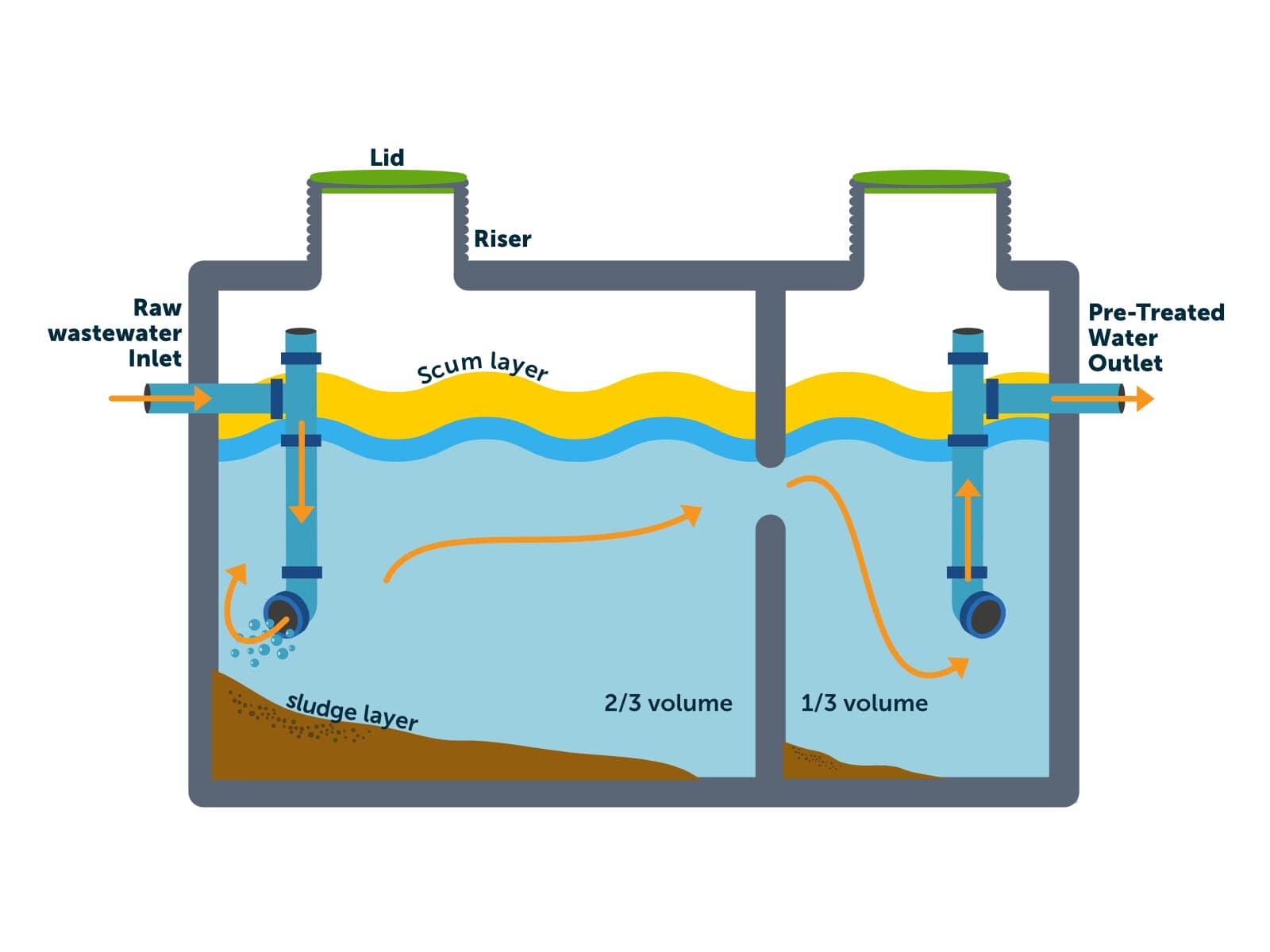
Septic tanks are a wonderful way to efficiently treat sewage; separating solids from liquid. These degrade solids and allow liquid to flow into drainage systems through biological processes. Using these reduces water pollution by removing pollutants already present in water.
Do not use the toilet as a trash bin:
Your toilet is not a trash bin, so don’t use it like one. It is for human waste only. Avoid at all costs flushing wet wipes, diapers, and other things that cross your mind down the toilet — use a trash bin, not a toilet, this is what a trash bin is for. Flushing these items down can cause sewage lines to become blocked, therefore the sewage system cannot do its job properly. When things like this get blocked, water unsuitable for safe consumability is unable to be cleaned efficiently in wastewater facilities or a septic tank.
Stormwater Management:
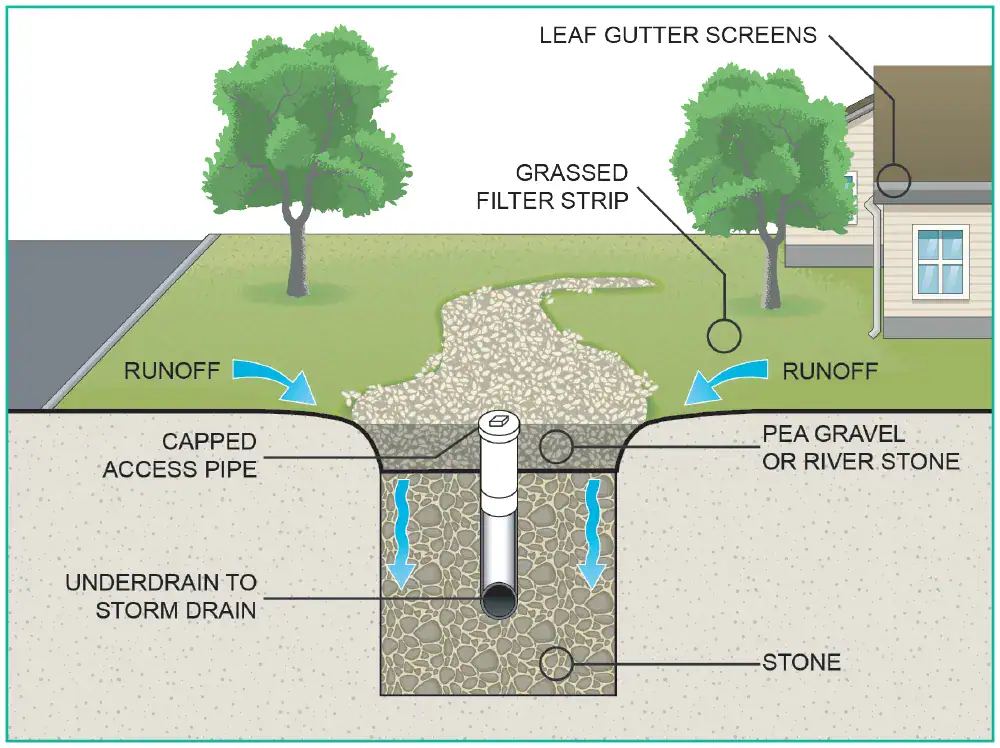
Another way we are able to combat water pollution is managing stormwater where we can. Stormwater flows along the road as well as other surfaces, collecting pathogens like viruses or bacteria, as well as other harmful pollutants, which tehn make their way into drains, rivers, and eventually the ocean. Treatment and management of this can vary from reverse osmosis, advanced oxidation and sand filtration.
Green agriculture and wetlands:
Agriculture is a trillion dollar industry worldwide, using up to 70% of surface water supplies to meet the demandd of livestock production and farming. As it is such a massive industry internationally, it is one of the primary causes of water pollution. When it rains, runoff transports pesticides and fertilizers. However, it can become environmentally friendly, known as green agriculture. This is a method that uses pesticides and fertilizers that don’t contain harmful chemicals. It also includes planting trees and creating wetlands to be able to form buffer zones, filtering runoff and water pollutants.
Denitrification:
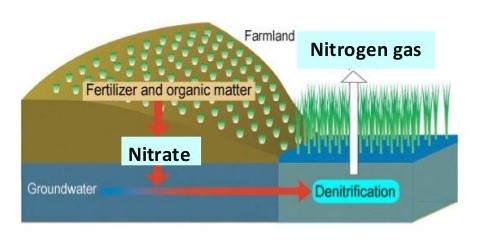
When nitrate levels are high in water, it creates the perfect environment of eutrophication or overfertilization from runoff to occur. This allows algae and phytoplankton in the water to grow rapidly, reducing the quality of water, and contributing to the water pollution issue. Denitrification is directly converting nitrates into nitrogen gas. This process prevents nitrate leaching into soils and helps reduce groundwater contamination.
Ozone Wastewater Treatment:
Although this is also a wastewater treatment, it goes through a different process to traditional wastewater systems, which is why it is also very important to note. Ozone wastewater treatment uses an ozone generator to break down water pollutants. UV radiation or an electric discharge field inside the generator converts oxygen into ozone. This process oxidizes bacteria, organic matter, and other water pollutants.