Impact on Drinking water:
This is one of the primary concerns associated with water pollution. Water supplies are often contaminated with pollutants, viruses, and chemicals. THese harmful substances make the wter unsafe for human consumption.
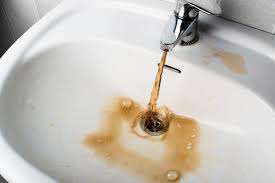
Consequences of Water Pollution
Impact on Drinking water:
This is one of the primary concerns associated with water pollution. Water supplies are often contaminated with pollutants, viruses, and chemicals. THese harmful substances make the wter unsafe for human consumption.
Impact on Human Health — disease and illness:
Water pollution has a highly significant impact on human health, which can lead to a variety of diseases and illnesses. The effects can be devastating, as the contaminated water can carry harmful chemicals, bacteria and pathogens posing some serious health risks to those consuming or coming in contact with it. When they are inside our body, they can cause a lot of harm. Drinking the contaminated water is one way, so is swimming in it, and even making their way into the fish and seafood we eat from polluted sources. Because of this, individuals may have a range of health problems, including gastrointestinal issues, respiratory issues, skin infections, and even life-threatening diseases.
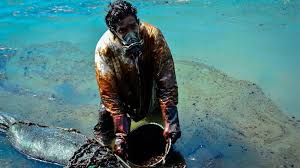
Waterborne Pathogens and Infections:
Waterborne diseases are quite prevalent in areas with water pollution, especially in regions with lack of proper sanitation and far from enough access to clean, drinkable water. Pathogens like bacteria, viruses, and parasites love contaminated water, increasing the risk of diseases like cholera, dysentery, typhoid and hepatitis. These cause severe distress, dehydration, and in some cases death. One of the most common health issues caused by water pollution is gastrointestinal problems. Water like this contains lots of harmful bacteria, such as E. coli and salmonella, causeng severe darrhea, vomiting, and stomach cramps. This is particularly dangerous for people who are quite vunerable, like children, or the elderly, who may not just experience dehydration but other complications as a result.
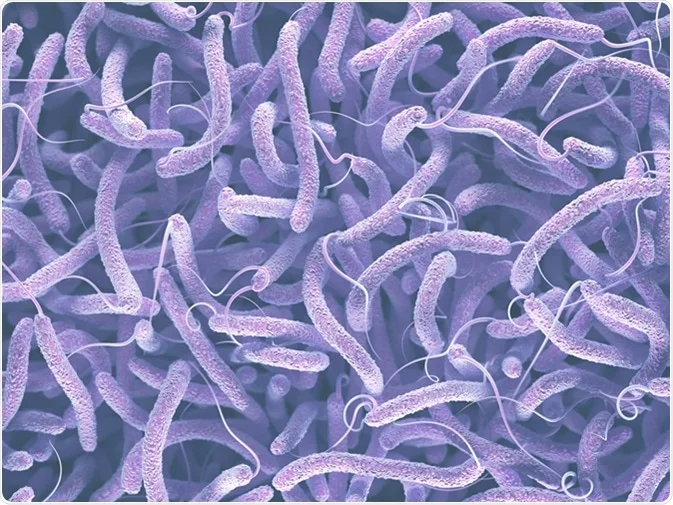
These pathogens can even cause problems in the respiratory system. It isn't uncommon for pollutants to evaporate into the air from water sources like heavy metals and pesticides. When chemicals like these are inhaled, it leads to respiratory irritation that can worsen and develop into diseases like asthma. People living near industrial areas/in communities with heavily polluted waters must be extra cautious about what they breathe in everyday. Skin infections can also happen when polluted water comes in direct contact with skin while swimming or bathing, skin conditions like dermatitis and rashes could be developed. Conditions like these are quite uncomfortable and would often require medical treatment to alleviate and ease the symptoms.
Long-term Health Effects:
Long term exposure to polluted water can have chronic health effects. Contaminats like heavy metals, pesticides and industrial chemicals can accumulate in the body over time, leading ot various health-related conditions such as cancer, neurological disorders, reproductive issues, and developmental abnormalities. The long-term consequences of waater pollution underscore the importance of preventing and mitigating its harmful effects.
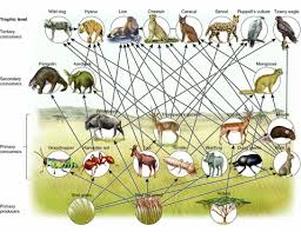
Disruptions in the food web:
In ecosystems, the food chain is a balance between species' interactions. Each creature plays its own part in this delcate balance, and if one gets thrown off, it plays a domino effect on the entire thing. This is what water pollution does. At the bottom of a food chain are the primary producers, the plants, the algae, in the water. They are the organisms getting their energy from the sunlight and serve as food to herbivores. When pollution does occur, it can mess up the growth of these primary creatures or even kill them. Then the entire chain can start to fall apart. Alongside plants dying and messing with the food sources of other species, herbivores that rely on them will suffer. They may have to migrate somewhere else one way or another. Because of the decline in the primary consumers, its predators will have to force themselves to try to feed themselves with other animals, which can be a very long process.
Destruction of Ecosystems:
Destruction of ecosystems: Because of water pollution, ecosystems are getting destroyed, seriously damaged. The effects that water pollution has are very far-reaching. Among many of the effects of water pollution on ecosystems, one of the most noticeable ones is the decline in biodiversity. It creates a ripple effect that can become extremely difficult to fix. As pollutants make their way to the water, they disrupt the natural habitats of many species, leading to the future extinction of certain animals. Chemicals and toxins can contaminate bodies of water, levels of pH and oxygen along with temperature will change making it very challenging for much marine life to survive. If one part is thrown off then the rest of the ecosystem will inevitable be affected in a catastrophic way, able to ruin entire environments.
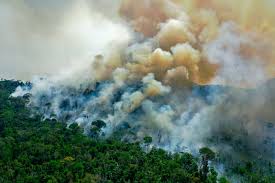
Another consequence includes the damage of aquatic vegetation. Plants relying on clean water to live are unable to grow or do very well in polluted environments. This hurts how the plant looks and also the overall health of an ecosystem. These are important because they produce oxygen supplying it to other animals using it to respire. Bodies of water can get colder and dirtier to a point where the whole ecosystem can deteriorate. The point is that water pollution has a highly significant impact on the health of an ecosystem.
Impact on the fishing industry:
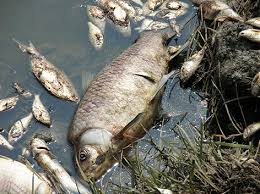
The fishing industry is damaged by water pollution one way or another. When water is polluted, the fish residing in it also become contaminated, affecting fish populations. The fewer fish there are, the fewer available for food. This is a massive problem for the fishermen depending on fishing as their main food source of income. The decrease in fish stocks result in job losses and reduced income for those who rely on it the most.
Impact on Tourism and Recreational Activities:
Water pollution also affects the tourism industry, a major source of revenue for many countries. Tourists are attracted to clean and pristine beaches, lakes, and rivers for their recreational activities (swimming, boating, fishing). But when these water bodies are polluted, tourists are deterred from visiting these areas. This leads to a decline in tourist arrivals, leading to a loss of revenue for hotels, restaurants, and other businesses catering to tourists. The reputation of a tourist destination can become tarnished if it is known for having polluted water bodies, further impacting the ability it has to attract visitors.
Impact on agricultural industries:
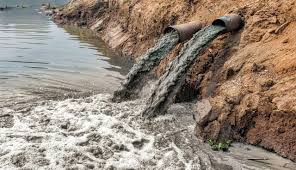
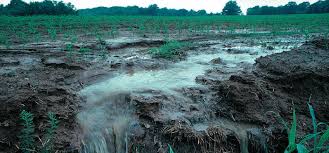
When water sources become contaminated with pollutants, it can affect crop yields and quality. Farmers can incur losses as their crops fail to grow or are of poor quality due to the contaminated water used in the irrigation, leading to reduced agricultural productivity, and increased costs that farmers have to pay to invest in alternative water sources and treatment systems.
Cost of water treatment and restoration:
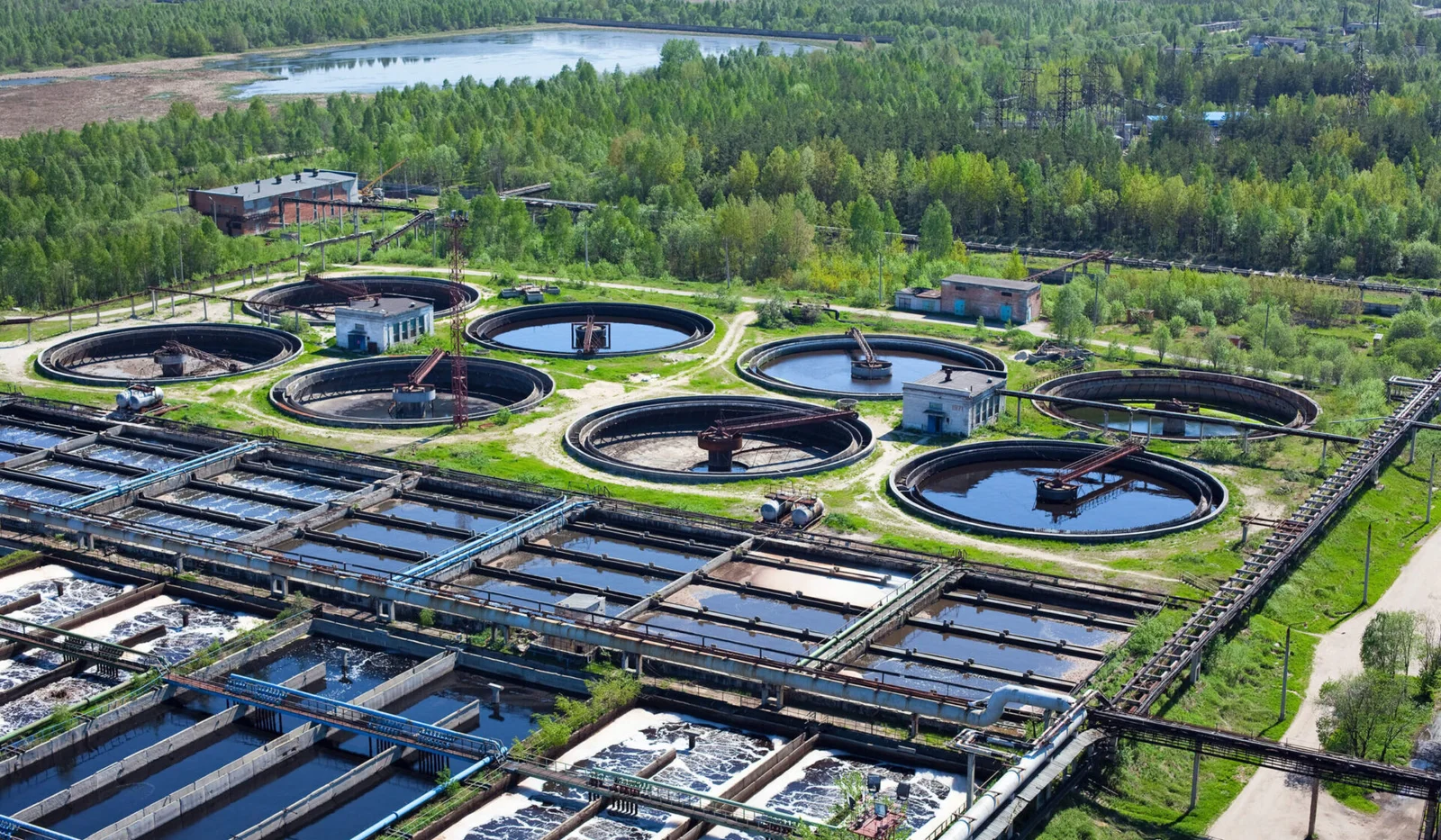
The costs associated with treating polluted water before it is used for industrial purposes or drinking are substantial. They are just too massive. Governments and industries must invest in infrastructure and technologies to purify water, which may be a huge financial burden for some. Above that burden, the health impacts of water pollution, like waterborne diseases, may result in increased healthcare costs in certain countries and productivity losses as people fall ill and are unable to work.
Now let's look at some examples of how water pollution has affected us: Campaigners have reported to the BBC that England water pollution is at a 10-year high. On Sky News, a ‘forever chemical’ was found in 31 of 32 rivers in the UK.